The Dangers of Outdoor Environments for Maine Coons
Maine Coons are magnificent, powerful cats — and it's tempting to think that a breed this large and athletic would thrive outdoors. But the truth is, outdoor environments pose serious and often life-threatening risks to Maine Coons. From traffic and predators to parasites and theft, the dangers far outweigh any perceived benefits. As responsible breeders and owners, keeping our cats safe means keeping them indoors.
Traffic and Vehicle Injuries
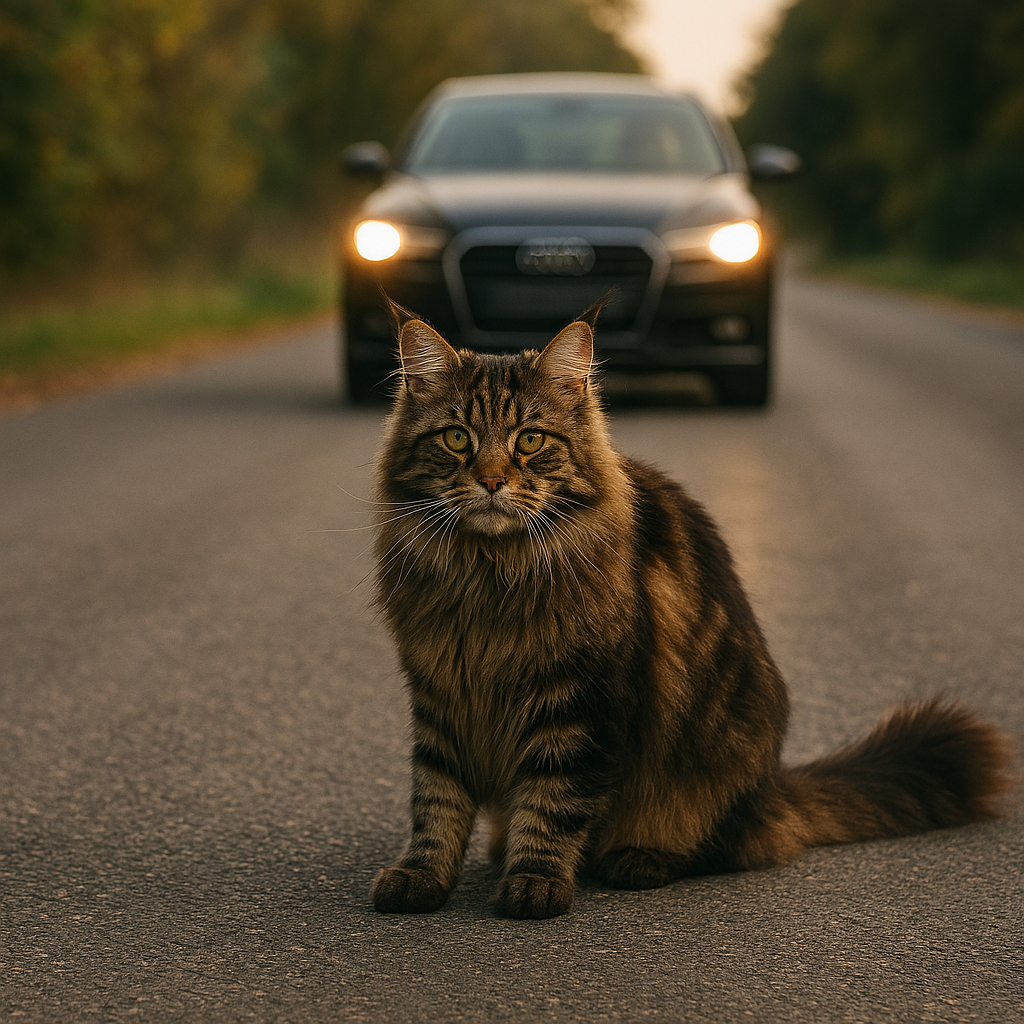
One of the leading causes of death in outdoor cats is being struck by a vehicle. Maine Coons, despite their intelligence, have no understanding of traffic patterns. Their large size doesn't make them more visible to drivers, especially at night. Even in rural areas with minimal traffic, a single encounter with a car can be fatal. Cats that survive vehicle strikes often suffer devastating injuries — broken bones, internal bleeding, spinal damage, and traumatic brain injuries — that require expensive emergency veterinary care and may result in a diminished quality of life.
Predators and Wildlife
Depending on where you live, outdoor cats face threats from a variety of predators. Coyotes, foxes, birds of prey (hawks, owls, eagles), and even large dogs can attack and kill cats. In Texas and across the southern United States, coyotes are a particularly significant threat, especially at dawn and dusk when they're most active. Even a large Maine Coon is no match for a determined coyote.
Snakes — including venomous species like copperheads, cottonmouths, and rattlesnakes — are another serious concern for outdoor cats in many regions. A curious cat investigating a snake can easily be bitten, leading to a veterinary emergency or worse.
Infectious Diseases
Outdoor cats are exposed to a host of infectious diseases that indoor cats simply never encounter. Some of the most dangerous include:
- Feline Leukemia Virus (FeLV) — Spread through saliva, nasal secretions, and bite wounds. FeLV suppresses the immune system and is ultimately fatal. There is no cure.
- Feline Immunodeficiency Virus (FIV) — Often called "feline AIDS," this virus is primarily transmitted through bite wounds during fights with infected cats. It leads to progressive immune system failure.
- Feline Infectious Peritonitis (FIP) — A mutation of feline coronavirus that can be fatal. While new treatments are emerging, FIP remains extremely serious.
- Rabies — A fatal viral disease transmissible to humans. Outdoor cats can contract rabies from encounters with infected wildlife such as raccoons, bats, and skunks.
- Upper Respiratory Infections — Highly contagious and spread easily between cats. While often treatable, they can become severe in young or immunocompromised animals.
Parasites
The outdoor environment is teeming with parasites that can compromise your cat's health:
- Fleas — Beyond causing intense itching and discomfort, fleas can transmit tapeworms and cause flea allergy dermatitis. Heavy infestations can lead to anemia, especially in kittens.
- Ticks — Carriers of diseases like cytauxzoonosis (a frequently fatal tick-borne illness in cats), Lyme disease, and ehrlichiosis.
- Intestinal Worms — Roundworms, hookworms, and tapeworms are commonly picked up from contaminated soil, prey animals, or infected feces. Some are zoonotic, meaning they can spread to humans.
- Heartworms — Transmitted by mosquitoes, heartworm disease in cats is difficult to diagnose and there is no approved treatment. Prevention is the only option.
- Ear Mites — Easily picked up from contact with other outdoor animals, causing intense ear irritation and secondary infections.
Toxic Substances
Outdoor environments are filled with substances that are toxic to cats. Antifreeze (ethylene glycol) is one of the most dangerous — it has a sweet taste that attracts cats but even a small amount can cause fatal kidney failure. Other hazards include:
- Pesticides and herbicides sprayed on lawns and gardens
- Rodent poisons (secondary poisoning from eating poisoned prey)
- Fertilizers and mulch (especially cocoa mulch)
- Toxic plants such as lilies, azaleas, oleander, and sago palms
- Motor oil, gasoline, and other automotive chemicals
Cats groom themselves meticulously, so any substance that gets on their fur or paws will inevitably be ingested. What might seem like a harmless walk through a treated lawn can lead to poisoning.
Theft and Malice
Purebred cats like Maine Coons are valuable, and sadly, theft is a real concern. An outdoor Maine Coon is an easy target for someone looking to profit from reselling or breeding a stolen cat. Beyond theft, there are individuals who intentionally harm animals. Cats left outside are vulnerable to acts of cruelty that no pet should ever have to endure.
Well-meaning neighbors may also "adopt" a cat they find roaming, assuming it's a stray. Your Maine Coon could end up rehomed, surrendered to a shelter, or taken to a distant location without your knowledge.
Fights with Other Cats
Even in seemingly quiet neighborhoods, outdoor cats frequently encounter feral or stray cats. Territorial disputes lead to fights that can cause deep bite wounds, abscesses, torn ears, and eye injuries. These wounds are prone to infection and often require veterinary intervention, including antibiotics, drainage, and sometimes surgery. Cat bites are one of the primary transmission routes for FeLV and FIV.
Getting Lost or Trapped
Cats are curious explorers, and an outdoor Maine Coon can easily wander too far from home, becoming disoriented and unable to find their way back. They may get trapped in a neighbor's garage or shed, stuck on a roof, or cornered in a drainage pipe. Microchips and collars help with identification, but they don't prevent the cat from experiencing the stress and danger of being lost or trapped for days without food or water.
Extreme Weather
While Maine Coons have thick, water-resistant coats bred for cold climates, they are still vulnerable to temperature extremes. Texas summers regularly exceed 100°F, and heatstroke can occur rapidly in cats — they cannot cool themselves efficiently through panting alone. In winter, sudden cold snaps, ice storms, and freezing rain can be equally dangerous. Outdoor cats may seek warmth under car hoods or in engine compartments, leading to horrific injuries when the vehicle is started.
Impact on Local Wildlife
It's worth noting that outdoor cats are also a threat to local ecosystems. Studies estimate that free-roaming cats kill billions of birds and small mammals each year in the United States alone. By keeping your Maine Coon indoors, you're not only protecting your cat — you're also being a responsible steward of local wildlife.
Safe Alternatives for Outdoor Enrichment
Keeping your Maine Coon indoors doesn't mean they have to miss out on the joys of the outdoors entirely. There are several safe ways to give your cat outdoor experiences:
- Catios — Enclosed outdoor patios designed for cats. They come in many sizes, from window boxes to full backyard enclosures, allowing your cat to enjoy fresh air, sunshine, and the sights and sounds of nature without any risk.
- Leash Training — Many Maine Coons take well to harness and leash training, especially when started young. This allows supervised outdoor time in a controlled environment.
- Window Perches — A sunny window perch with a view of birds and squirrels provides hours of stimulation. Add a bird feeder outside the window for "Cat TV."
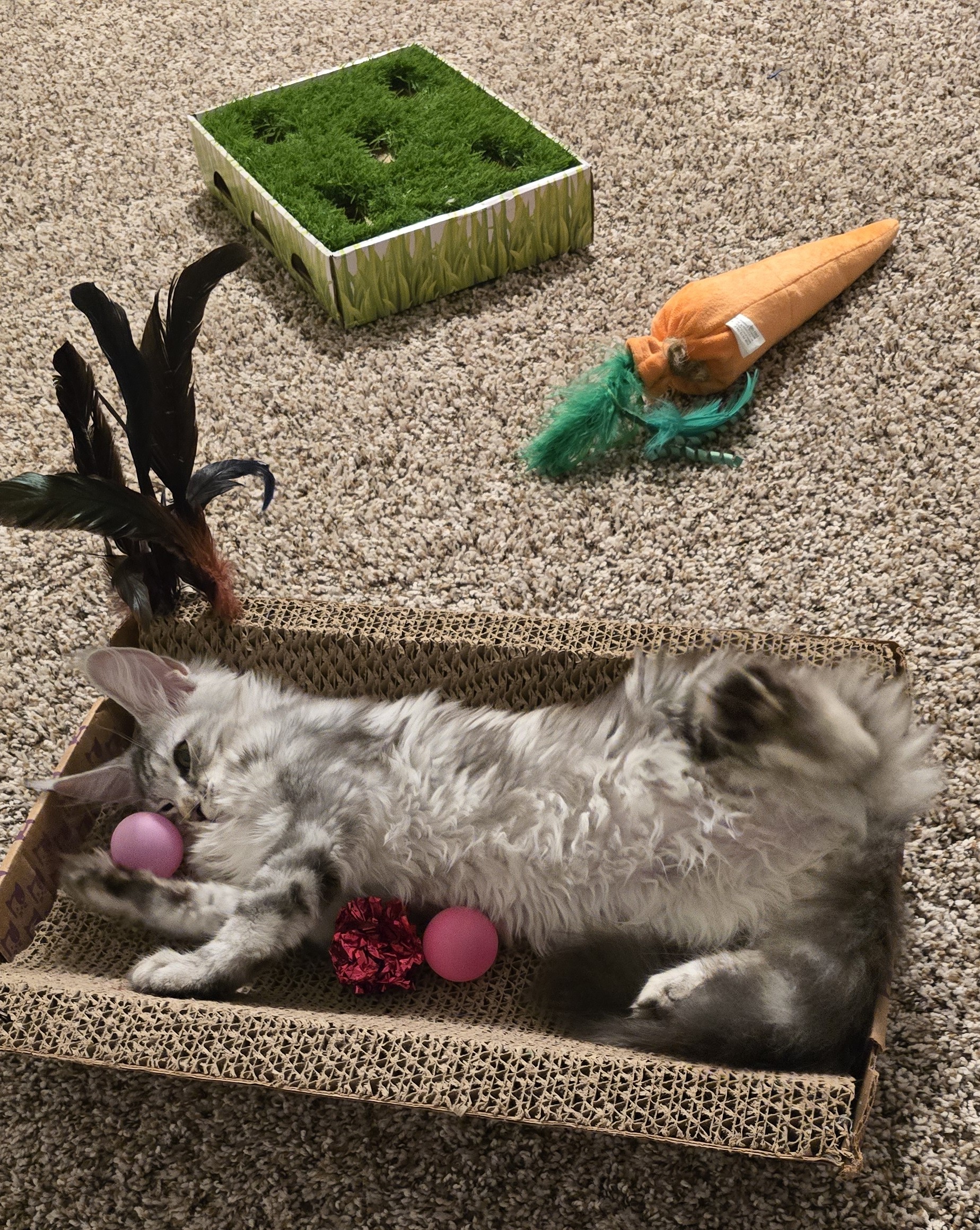
- Indoor Enrichment — Cat trees, interactive toys, puzzle feeders, and regular play sessions keep indoor cats mentally and physically stimulated.
Our Policy at MaineCoonXLT
At MaineCoonXLT, we require all adopters to commit to keeping their Maine Coon as an indoor-only cat. This is written into our adoption contract because we've seen firsthand the devastating consequences that outdoor access can have on cats. Every kitten we raise is socialized for indoor living and thrives in a home environment with proper enrichment and companionship.
"An indoor Maine Coon with proper enrichment will live a longer, healthier, and happier life than any outdoor cat. The statistics are clear — indoor cats live an average of 12–18 years, while outdoor cats average just 2–5 years."
Your Maine Coon's safety is in your hands. The outdoor world is full of dangers that no amount of supervision can fully mitigate. By choosing to keep your cat indoors and providing a rich, stimulating home environment, you're giving them the best chance at a long, healthy, and happy life.
Have questions about indoor enrichment or creating a safe environment for your Maine Coon? Contact us — we're always happy to help our MaineCoonXLT families.