Feeding Your Maine Coon: A Nutrition Guide
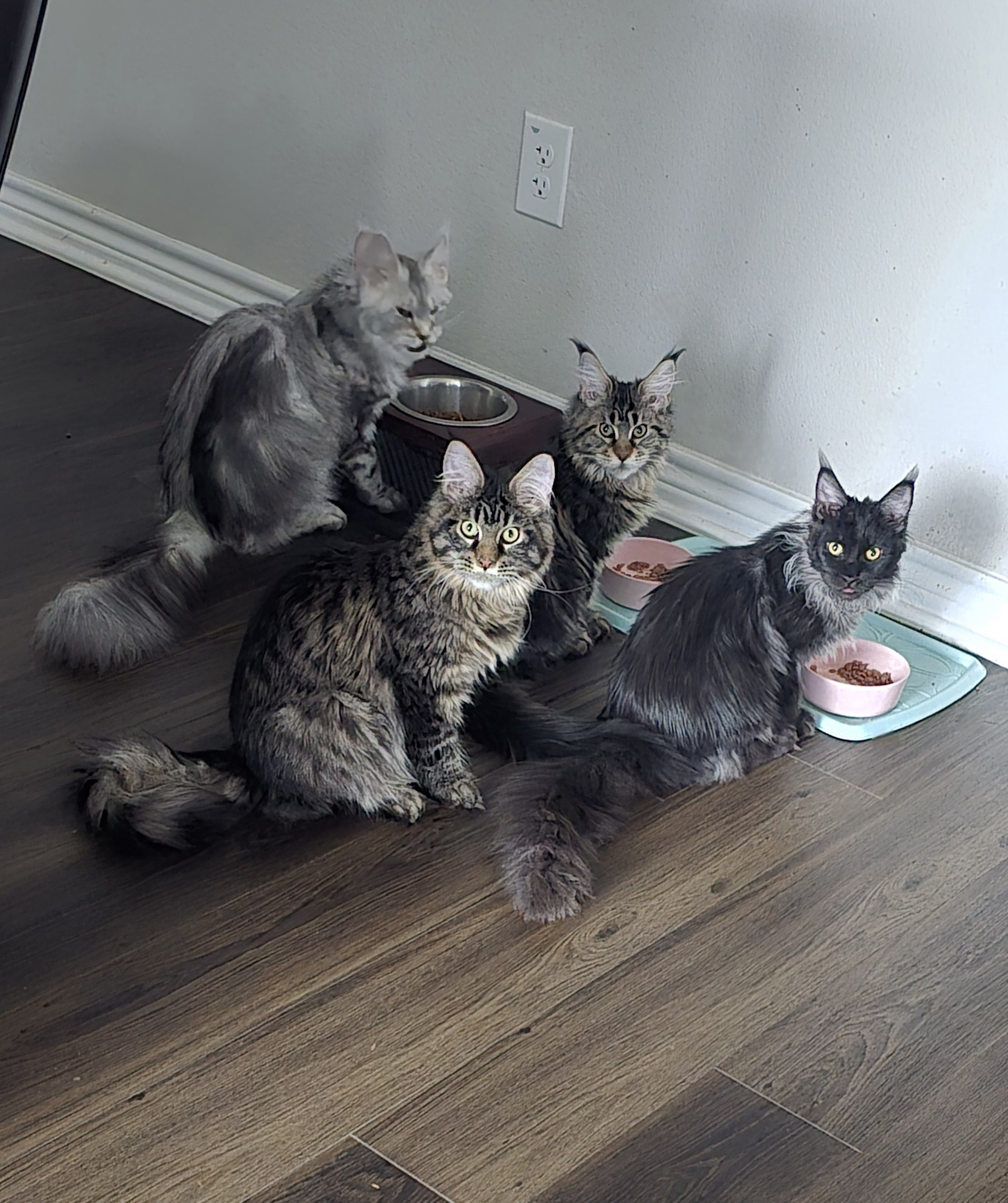
Maine Coons are one of the largest domesticated cat breeds, and their nutritional needs reflect that impressive stature. Feeding your Maine Coon a well-balanced diet is one of the most important things you can do to ensure a long, healthy life. From the high-energy demands of kittenhood to the changing metabolism of their senior years, understanding what — and how much — to feed your gentle giant makes all the difference.
Nutritional Needs by Life Stage
Like all cats, Maine Coons are obligate carnivores, meaning they require a meat-based diet to thrive. However, their nutritional needs shift as they grow and age.
Kittens (0–12 months): Maine Coon kittens grow rapidly and need calorie-dense, protein-rich food to support bone, muscle, and organ development. Look for kitten-specific formulas with at least 30–40% protein and 15–20% fat. Because Maine Coons mature more slowly than other breeds, many breeders recommend keeping them on kitten food until 12–15 months of age.
Adults (1–10 years): Once your Maine Coon reaches adulthood, transition to a high-quality adult formula. Protein should still be the primary ingredient — aim for at least 26–30% protein from animal sources. Adult Maine Coons require a diet that maintains lean muscle mass without encouraging excess weight gain.
Seniors (10+ years): Older Maine Coons may need food that's easier to digest and formulated to support joint health. Senior-specific formulas often include added glucosamine, chondroitin, and omega fatty acids. You may also need to adjust calorie intake as their activity level decreases.
Wet Food vs. Dry Food vs. Raw
There's no single "right" answer when it comes to food format — each has its advantages, and many Maine Coon owners find success with a combination approach.
- Wet food: Higher in moisture content (70–80%), which supports kidney health and hydration. Often more palatable and closer to a cat's natural diet. It's an excellent choice for Maine Coons, who can be prone to urinary issues.
- Dry food (kibble): Convenient and more cost-effective. Helps with dental health to a degree. However, it's typically higher in carbohydrates and lower in moisture. If feeding primarily dry food, always ensure fresh water is readily available.
- Raw diet: Some owners and breeders swear by raw feeding for its high protein content and species-appropriate nutrition. If you pursue a raw diet, work closely with a veterinary nutritionist to ensure it's properly balanced. Homemade raw diets that are not carefully formulated can lead to dangerous deficiencies.
Portion Sizes for Large Breeds
Maine Coons are significantly larger than the average domestic cat, so standard feeding guidelines on most cat food packages may not apply. A typical adult Maine Coon weighing 15–20 pounds may need 250–350 calories per day, depending on their activity level and whether they're neutered or intact.
- An active, intact male may require 300–400+ calories per day
- A moderately active neutered adult typically needs 250–320 calories per day
- An indoor-only, less active cat may need closer to 200–280 calories per day
- Kittens require roughly 60–65 calories per pound of body weight per day during peak growth
Always monitor your cat's body condition rather than relying solely on a number. You should be able to feel their ribs without pressing hard, and they should have a visible waist when viewed from above.
Essential Nutrients to Look For
When evaluating cat food, there are several key nutrients that are especially important for Maine Coons:
- Taurine: An essential amino acid that cats cannot synthesize on their own. Taurine deficiency can lead to heart disease (dilated cardiomyopathy), vision problems, and reproductive issues. Ensure your cat's food contains adequate taurine — it should be listed on the guaranteed analysis.
- High-quality animal protein: Look for named animal proteins (chicken, turkey, salmon) as the first ingredient — not vague terms like "meat meal" or "animal by-products."
- Omega-3 and Omega-6 fatty acids: Support skin and coat health — particularly important for that luxurious Maine Coon mane. Fish oil and flaxseed are common sources.
- Glucosamine and chondroitin: Support joint health, which is crucial for a breed prone to hip dysplasia.
- Limited carbohydrates: Cats have no nutritional requirement for carbohydrates. Foods heavy in corn, wheat, and soy offer little nutritional value and may contribute to obesity.
"The foundation of a healthy Maine Coon is a high-protein, moisture-rich diet. Invest in quality food now, and you'll likely save on veterinary bills later."
Foods to Avoid
While it can be tempting to share table scraps, several common human foods are toxic or harmful to cats:
- Onions and garlic: Even in small amounts, these can damage red blood cells and cause anemia
- Chocolate: Contains theobromine, which is toxic to cats
- Grapes and raisins: Can cause kidney failure
- Raw eggs: Risk of salmonella and may interfere with biotin absorption
- Alcohol and caffeine: Extremely dangerous even in small quantities
- Xylitol: An artificial sweetener found in many products — highly toxic to cats
- Cooked bones: Can splinter and cause internal injuries
Feeding Schedule and Hydration
Most adult Maine Coons do well with two to three measured wet meals per day along with free-feeding (leaving food out all day) dry kibble. Scheduled meals help you monitor appetite, control portions, and notice early signs of illness.
For kittens, three to four smaller meals per day are ideal to keep up with their rapid growth and high energy demands. Once they reach about 12 months, you can transition to two meals daily.
Hydration is critically important for Maine Coons. Cats in general have a low thirst drive, and chronic dehydration can contribute to kidney disease and urinary tract problems. To encourage water intake:
- Provide a cat water fountain — many Maine Coons prefer running water
- Place multiple water stations around your home
- Incorporate wet food into their diet for added moisture
- Add a small amount of warm water or low-sodium bone broth to dry kibble
Signs of Dietary Issues
Even with the best intentions, dietary problems can arise. Watch for these warning signs that your Maine Coon's diet may need adjustment:
- Dull, dry, or excessively shedding coat
- Chronic vomiting or diarrhea
- Significant weight gain or unexplained weight loss
- Lethargy or reduced energy levels
- Bad breath or dental issues
- Excessive scratching or skin irritation (possible food allergy)
- Changes in stool quality or litter box habits
If you notice any of these symptoms, consult your veterinarian. Food allergies, sensitivities, and intolerances are not uncommon in cats, and a dietary change or elimination diet may be warranted.
Feeding your Maine Coon well is one of the simplest yet most impactful things you can do as a responsible owner. Have questions about what we feed our cats and kittens? Check out our available kittens page or contact us — we're always happy to share our feeding protocols and recommendations with our kitten families.