Grooming Your Maine Coon: Keeping That Majestic Coat Beautiful
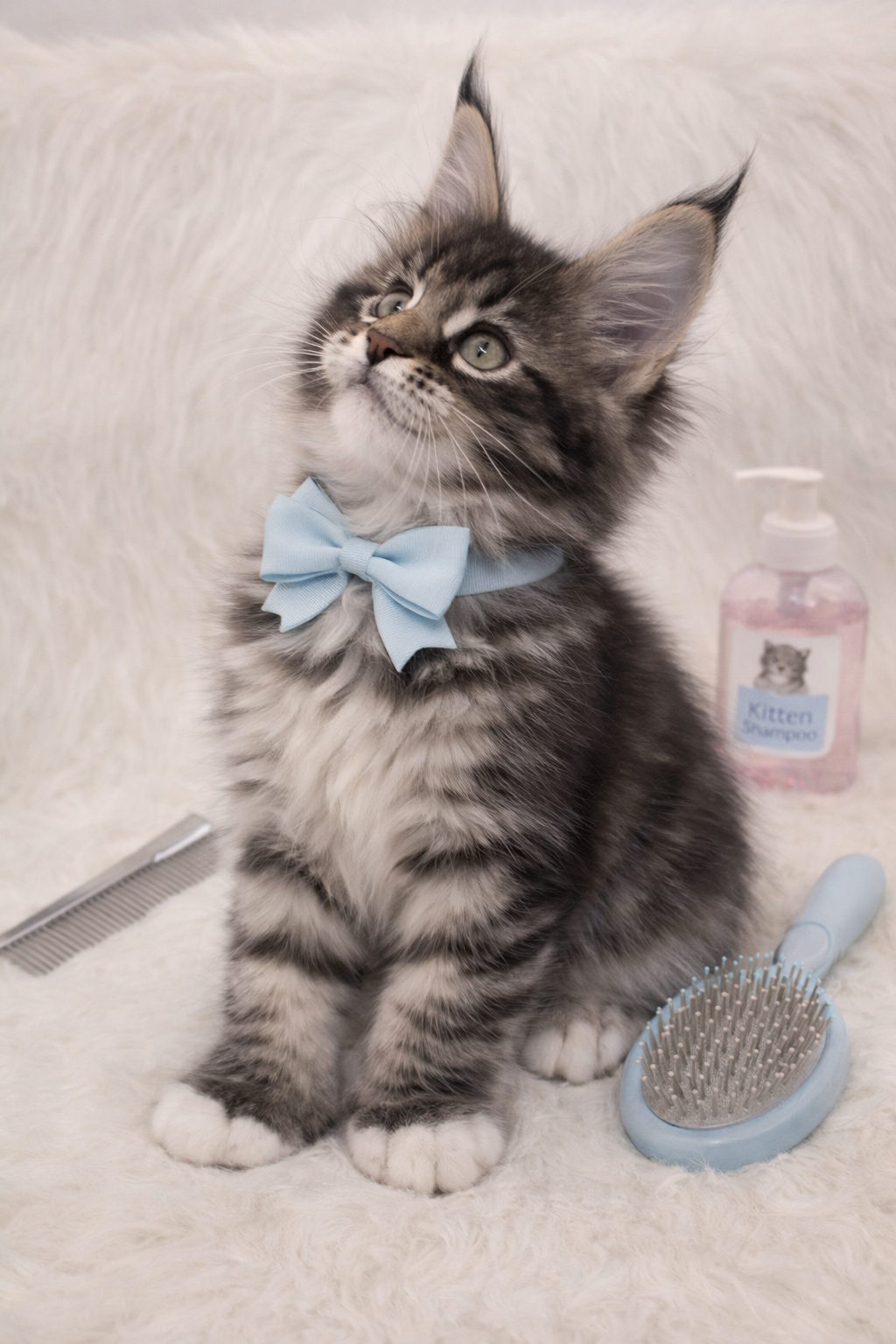
The Maine Coon's coat is one of its most striking features — long, flowing, and undeniably regal. But that gorgeous fur doesn't maintain itself. Regular grooming is essential to keeping your Maine Coon comfortable, healthy, and looking their absolute best. The good news? With the right tools and techniques, grooming your Maine Coon can become a bonding experience you both enjoy.
Understanding the Maine Coon Double Coat
Maine Coons have a semi-long, water-resistant double coat that evolved to protect them from the harsh winters of New England. The outer coat is silky and slightly oily, while the dense undercoat provides insulation. The coat tends to be shorter on the shoulders and longer on the stomach, britches (back legs), and around the ruff (chest and neck area).
This coat texture means Maine Coons are somewhat less prone to matting than other long-haired breeds like Persians, but mats can still form — especially behind the ears, under the arms, and around the hindquarters. Seasonal shedding in spring and fall can also increase the likelihood of tangles if grooming is neglected.
Essential Grooming Tools
Having the right tools makes grooming faster, easier, and more comfortable for your cat. Here's what every Maine Coon owner should have on hand:
- Slicker brush: The workhorse of cat grooming. A quality slicker brush with fine, angled pins removes loose hair from the topcoat and helps prevent tangles. Look for one with flexible pins to avoid irritating the skin.
- Stainless steel comb: A wide-toothed and fine-toothed combination comb is invaluable. Use the wide teeth to work through the coat first, then follow with the fine teeth to catch smaller knots and remove debris.
- Dematting tool or mat splitter: For stubborn mats that a comb can't work through. These tools have sharp blades that carefully slice through matted fur without pulling on the skin.
- Grooming rake or undercoat rake: Essential during shedding season to remove loose undercoat without damaging the topcoat.
- Nail clippers or grinder: Guillotine-style or scissor-style clippers designed for cats, or a pet nail grinder for those who prefer a smoother finish.
- Ear cleaning solution: A veterinarian-approved ear cleanser and cotton balls (never cotton swabs).
- Cat-safe toothbrush and toothpaste: Enzymatic toothpaste formulated for cats — never use human toothpaste.
Brushing Techniques and Frequency
Most Maine Coons benefit from brushing two to three times per week, with daily sessions during peak shedding season. Here's an effective approach:
- Start with the slicker brush, working in the direction of hair growth. Begin at the head and work your way down the body.
- Pay special attention to high-mat areas: behind the ears, under the front legs, the belly, and the "pants" area on the back legs.
- Follow up with the stainless steel comb to check for any tangles the brush missed. If the comb glides through smoothly, you're in good shape.
- Be gentle with the belly and chest — many cats are sensitive in these areas. Work slowly and offer treats to build positive associations.
- During shedding season, use the undercoat rake first to remove loose undercoat, then follow with the slicker brush and comb.
"The key to stress-free grooming is starting young. Kittens who are introduced to brushing early grow into adults who actually enjoy — or at least tolerate — their grooming sessions."
Dealing with Mats
Despite your best efforts, mats can happen. How you handle them matters — pulling on matted fur is painful and can make your cat dread grooming time.
For minor tangles, hold the base of the mat close to the skin with your fingers (to prevent pulling) and gently work through it with a wide-toothed comb, starting at the tips and working inward. A small amount of cornstarch sprinkled on the mat can help loosen it.
For larger or tighter mats, use a mat splitter to carefully slice the mat into smaller sections, which can then be combed out. If a mat is very close to the skin or your cat is too stressed, do not attempt to cut it with scissors — this is a leading cause of accidental skin lacerations. Instead, take your cat to a professional groomer or your veterinarian.
Ear Cleaning, Nail Trimming, and Dental Care
Ear cleaning: Maine Coons can have tufted ears that trap debris and wax. Check ears weekly and clean as needed with a vet-approved ear cleaning solution on a cotton ball. Gently wipe the visible parts of the inner ear — never insert anything into the ear canal. Signs of ear problems include redness, odor, excessive scratching, or dark discharge.
Nail trimming: Trim nails every two to three weeks. Gently press the paw pad to extend the claw and clip only the transparent tip, avoiding the pink quick (which contains blood vessels and nerves). If your Maine Coon is polydactyl, don't forget those extra toes — they can curl and grow into the paw pad if neglected.
Dental care: Dental disease is one of the most common health issues in cats. Brush your cat's teeth several times per week with enzymatic cat toothpaste. Dental treats and water additives can supplement — but not replace — regular brushing. Schedule professional dental cleanings with your veterinarian as recommended.
Bathing Your Maine Coon
Most Maine Coons don't need frequent baths — their semi-oily coat is somewhat self-maintaining. However, a bath every few months (or as needed) can help reduce shedding, remove dander, and keep the coat looking its best.
- Use lukewarm water and a cat-specific shampoo. Avoid human shampoos, which can disrupt the skin's pH balance.
- Wet the coat thoroughly, apply shampoo, and work it in gently with your fingers. Avoid getting water or shampoo in the eyes, ears, or nose.
- Rinse thoroughly — leftover shampoo residue can cause skin irritation.
- Towel dry as much as possible, then allow your cat to air dry in a warm room. Some Maine Coons will tolerate a blow dryer on the lowest, coolest setting.
- Many Maine Coons actually enjoy water more than other breeds, which can make bath time easier — but always let your cat set the pace.
When to Seek Professional Grooming
While most Maine Coon grooming can be handled at home, there are times when a professional groomer is the right choice:
- Severe or widespread matting that can't be safely removed at home
- A "sanitary trim" around the hindquarters to prevent litter or feces from sticking to the fur
- If your cat becomes highly stressed or aggressive during home grooming
- Before cat shows, if you participate in TICA or CFA events
- Senior cats with arthritis who can no longer groom themselves effectively
When choosing a professional groomer, look for someone experienced with long-haired breeds. Ask about their handling techniques and make sure they never use sedation without veterinary supervision.
Grooming your Maine Coon is about far more than aesthetics — it's an investment in their health and comfort. A well-groomed coat keeps skin healthy, prevents painful mats, and gives you the chance to spot potential health issues (lumps, skin conditions, parasites) early. Make grooming a routine, keep it positive, and your Maine Coon's magnificent coat will be the envy of everyone who meets them.