Understanding Polydactyl Maine Coons: The Cats with Extra Charm
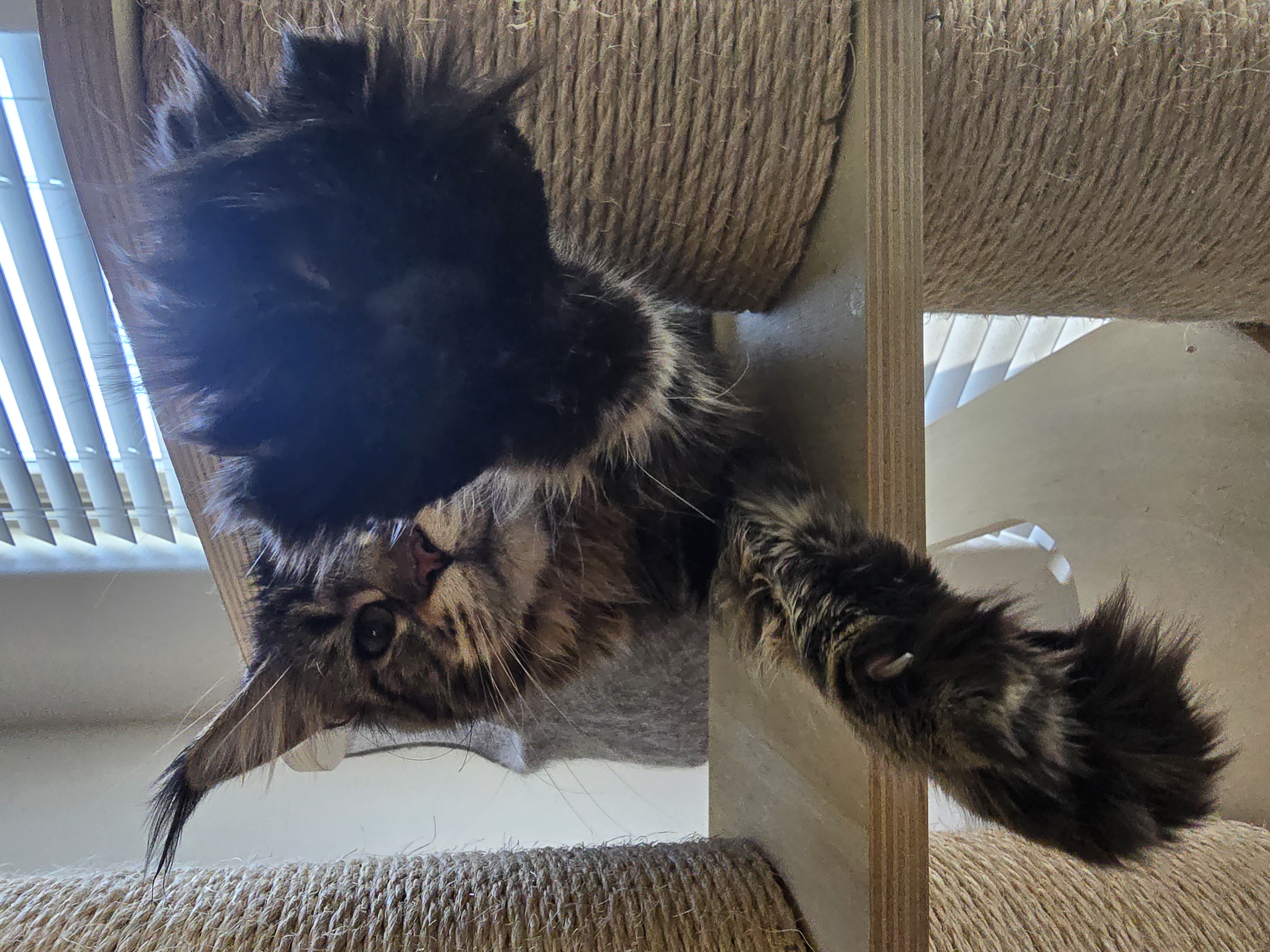
Polydactyl Maine Coons are among the most captivating cats in the feline world. With their oversized, snowshoe-like paws sporting extra toes, these gentle giants carry a genetic trait that has fascinated cat lovers for centuries. But what exactly makes a cat polydactyl, and why is this trait so closely associated with the Maine Coon breed?
What Is Polydactyly?
Polydactyly — derived from the Greek words poly (many) and daktylos (finger) — is a genetic condition that causes a cat to be born with more than the usual number of toes. Most cats have 18 toes total: five on each front paw and four on each back paw. Polydactyl cats can have as many as seven or eight toes on a single paw.
The trait is caused by a dominant gene, meaning only one parent needs to carry it for kittens to potentially inherit those extra digits. It's a harmless mutation that doesn't cause any health problems and isn't associated with other genetic defects.
The History of Polydactyl Maine Coons
Polydactyly has been part of the Maine Coon breed's identity since its earliest days. Historically, as many as 40% of Maine Coons were polydactyl. Sailors along the northeastern coast of America prized these cats because their wide, large paws gave them better balance on the rolling decks of ships and made them superior mousers.
Author Ernest Hemingway was famously gifted a polydactyl cat by a ship's captain, and to this day, roughly 50 cats — many of them polydactyl — live at the Hemingway Home and Museum in Key West, Florida. While Hemingway cats are a variety of breeds, the connection between seafaring, polydactyly, and New England cats runs deep.
Genetics of Extra Toes
The polydactyl gene in Maine Coons is autosomal dominant, carried on a non-sex chromosome. This means:
- If one parent is polydactyl, approximately 50% of kittens will inherit the trait.
- If both parents are polydactyl, the percentage increases significantly.
- The gene has variable expression — even within the same litter, kittens may have different numbers of extra toes.
- Extra toes are most commonly found on the front paws, though they can appear on all four.
Polydactyly and the Show Ring
For many years, polydactyl Maine Coons were excluded from championship competition in most cat registries. The Cat Fanciers' Association (CFA) and The International Cat Association (TICA) traditionally required the standard toe count for show cats. This led to a decline in polydactyl lines as breeders focused on meeting show standards.
However, attitudes have shifted. TICA now allows polydactyl Maine Coons to compete, recognizing that the trait is a natural and historic part of the breed. Many breeders, including MaineCoonXLT, are proud to preserve this beloved characteristic.
Why We Love Polydactyl Paws
Beyond the genetics and history, there's something undeniably charming about those big, mitten-like paws. Polydactyl Maine Coons often look like they're wearing baseball gloves, and many owners describe their cats using their extra toes almost like thumbs — opening doors, picking up toys, and grasping treats with surprising dexterity.
"There's nothing quite like watching a polydactyl Maine Coon reach out with those big snowshoe paws. It's one of those traits that, once you've lived with it, you can't imagine your cat without it."
Caring for Extra Toes
Polydactyl paws require a little extra attention during grooming:
- Nail trimming: Extra toes mean extra nails. Some extra toes may not touch the ground, so those nails won't wear down naturally and will need regular clipping.
- Paw checks: Inspect between the extra toes periodically for debris, mats, or any signs of irritation.
- Normal activity: Polydactyl cats run, jump, climb, and play just like any other cat. The extra toes don't slow them down — if anything, they may give them better grip!
At MaineCoonXLT, we're proud to breed polydactyl Maine Coons that honor the breed's historic roots while meeting the highest standards for health and temperament. If you're interested in welcoming a polydactyl kitten into your family, check out our available kittens or contact us to learn more.